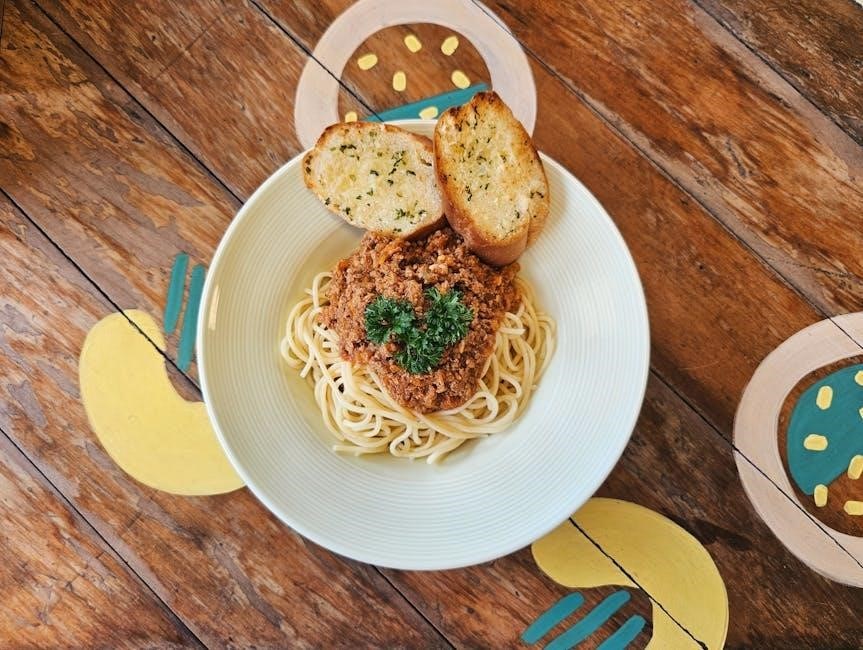
New York garlic bread elevates a classic side dish with a unique Hasselback technique, ensuring flavorful garlic infusion and a perfectly crisp texture.
This recipe is incredibly versatile, working beautifully with various bread types—from baguettes to sourdough—and offers a delightful aroma.
Experience the best homemade garlic bread, combining pounded and bloomed garlic for an unforgettable taste, perfect for any meal or occasion!
What Makes New York Garlic Bread Special?
New York garlic bread distinguishes itself through a meticulous preparation method, notably the Hasselback scoring technique. This isn’t merely aesthetic; it creates numerous pockets for the rich garlic butter to penetrate, maximizing flavor without causing a soggy mess.
Unlike traditional methods, this approach prevents the butter from simply pooling at the bottom. The combination of pounded and bloomed garlic delivers a complex flavor profile – a subtle base with bursts of aromatic intensity.
Furthermore, the use of quality bread, whether rustic sourdough or airy Italian loaves, contributes to the overall experience, making it a truly exceptional side dish.
A Brief History of Garlic Bread in New York
While the origins of garlic bread trace back to ancient cultures, its New York iteration evolved through the city’s vibrant Italian-American communities. Initially, it was a simple offering in pizzerias and Italian restaurants, a way to utilize leftover bread and enhance the dining experience.
Over time, New York chefs began experimenting with techniques, leading to the now-signature Hasselback style. This innovation, combined with a focus on high-quality ingredients – robust garlic, flavorful herbs, and rich butter – elevated it beyond a mere side dish.
Today, it’s a beloved staple, representing New York’s culinary spirit;
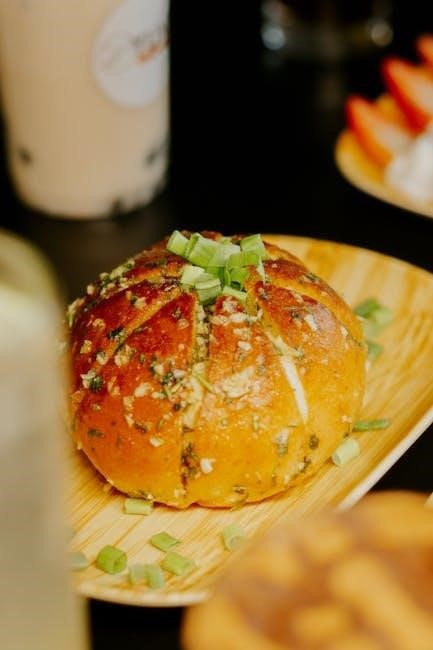
Ingredients for Authentic New York Garlic Bread
Authentic New York garlic bread demands quality: a suitable bread, flavorful garlic, rich butter, fragrant herbs, and sharp Parmesan cheese—essential for perfection!
Choosing the Right Bread
Selecting the ideal bread is crucial for achieving authentic New York garlic bread. While any loaf not overly thick will work, consider the texture and structure. Rustic sourdoughs and airy Italian loaves are excellent choices, providing a delightful chewiness and ample surface area for the garlic butter.
Thin baguettes also work wonderfully, offering a satisfying crunch. However, for a heartier experience, whole grain bread stands up remarkably well to the oil-garlic treatment, adding a nutty depth of flavor. Avoid overly dense breads, as they may not absorb the garlic butter sufficiently.
Ultimately, the best bread is one you enjoy, but prioritize a loaf that can hold its shape and soak up the deliciousness!
Garlic Selection: Varieties and Quality
Garlic is the star, so quality matters! While various varieties exist, focus on firm, plump bulbs free from soft spots or sprouts. The size of the clove isn’t as important as its freshness. Don’t shy away from using garlic cloves with their papery skins on – the rough surface aids in easy removal during toasting.
Remember, there are two techniques: pounding and blooming. Pounding creates a subtle flavor, while blooming tames garlic’s raw intensity. Using both ensures a balanced, unforgettable taste. Freshness guarantees the most potent aroma and flavor infusion into your bread.
Prioritize fragrant, high-quality garlic for the best results!
The Butter Base: Salted vs. Unsalted
Choosing between salted and unsalted butter is crucial for controlling the final flavor profile of your New York garlic bread. Unsalted butter provides a blank canvas, allowing you to precisely season the garlic butter with salt to your preference. This is generally recommended for optimal control.
However, if using salted butter, reduce the amount of added salt accordingly to avoid an overly salty outcome. High-quality butter, regardless of salt content, contributes significantly to the richness and overall deliciousness of the spread.
Ultimately, it’s a matter of personal taste!
Herbs and Cheese: Essential Additions
Fresh herbs elevate New York garlic bread from simple to sublime. Parmesan cheese is a cornerstone, adding a salty, umami depth that complements the garlic beautifully. Consider experimenting with rosemary, thyme, or parsley for nuanced flavor variations.
For a richer experience, incorporate a generous amount of finely grated Parmesan directly into the garlic butter. If you desire an extra cheesy loaf, slip slices of mozzarella into the Hasselback cuts before baking.
These additions create a truly unforgettable experience!
Preparing the Garlic Butter
Garlic butter is the heart of New York garlic bread, achieved by either pounding garlic into a paste or blooming it gently in butter for a milder flavor.
Infuse the butter with herbs and Parmesan, creating a rich base for slathering onto the scored bread.
Pounding vs. Blooming Garlic: A Comparison
Pounding garlic transforms cloves into a paste, dissolving into dishes and leaving a subtle aroma – a whisper of garlic rather than a bold statement. This method is ideal when you want the flavor to meld seamlessly.
Blooming garlic, conversely, involves gently sizzling the cloves in butter until fragrant, but before they brown. This tames garlic’s raw intensity, creating a sweeter, more nuanced flavor profile.
For authentic New York garlic bread, both techniques are valuable! Pounding contributes to the overall infused flavor, while blooming adds a delightful, cooked garlic note to the butter base. Mastering both unlocks the full potential of this classic side.
Infusing the Butter with Garlic and Herbs
Creating the garlic butter is paramount for exceptional New York garlic bread. Begin with softened butter – salted or unsalted, depending on preference – and incorporate your prepared garlic, both pounded and bloomed for layered flavor.
Don’t skimp on the herbs! Freshly chopped rosemary, thyme, or parsley elevate the butter’s aroma and taste. Generously mix these into the butter, ensuring even distribution.
Finally, add grated Parmesan cheese. This adds a salty, umami richness that complements the garlic and herbs, creating a truly unforgettable base for your Hasselback loaf.
Adding Parmesan Cheese to the Mix
Parmesan cheese is a crucial component, elevating the garlic butter to new heights of flavor. Grate the Parmesan finely; this ensures it melts evenly and incorporates seamlessly into the butter mixture, avoiding any grainy texture;
The cheese introduces a delightful salty, umami richness that beautifully complements the pungent garlic and fragrant herbs; Don’t be shy with the amount – a generous addition is key!
Stir the Parmesan thoroughly into the butter until fully combined, creating a cohesive and flavorful spread ready to transform your bread.
The Hasselback Bread Technique
Hasselback cuts are essential, preventing butter leakage and maximizing garlic infusion throughout the bread, avoiding scorching and ensuring even flavor distribution.
This method creates perfect slots for the rich garlic butter, resulting in a truly unforgettable and deliciously textured loaf.
Why Hasselback Cuts are Ideal
Hasselback scoring transforms ordinary garlic bread into a culinary masterpiece. Unlike simple slicing, these cuts create numerous pockets, allowing the fragrant garlic butter to deeply penetrate the bread’s interior. This technique prevents the butter from simply pooling at the bottom, ensuring every bite is bursting with flavor.
Furthermore, the scoring prevents the bread from becoming soggy; the structure holds the butter, promoting a delightful crispness. It’s a superior method to traditional spreading, as it avoids burning the garlic and allows for even distribution, creating a mahogany-crusted delight.
Scoring the Bread: Depth and Spacing
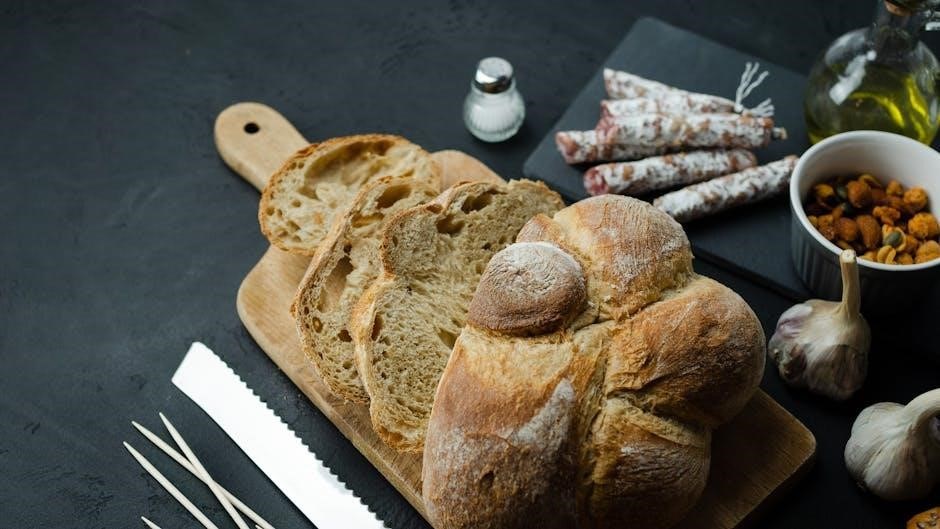
Scoring the bread like a Hasselback potato requires precision. Aim for cuts approximately ¾ of the way through the loaf, leaving the base intact to maintain structural integrity. Space the cuts about ½ to ¾ inch apart – closer spacing yields more butter pockets, but risks tearing.
A sharp, serrated knife is crucial for clean cuts. Gently saw through the bread, avoiding forceful downward pressure. Remember, the goal is to create evenly spaced slits that will cradle the garlic butter, maximizing flavor infusion during baking.
Slathering with Garlic Butter: Ensuring Even Coverage
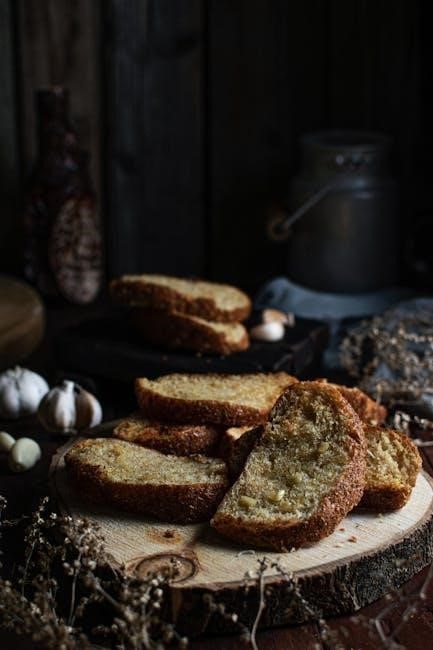
Slathering the scored bread with garlic butter is where the magic truly begins. Using a pastry brush or the back of a spoon, generously apply the butter into every slit, ensuring complete coverage. Don’t be shy – the bread can absorb a surprising amount!
Pay close attention to the base of each cut, guaranteeing the garlic and herb flavors penetrate deeply. This meticulous step prevents dry spots and delivers consistent, mouthwatering flavor in every bite. A generous hand is key to a truly exceptional loaf.
Baking Instructions
Bake the garlic bread wrapped in foil or parchment at the correct temperature, then unwrap for a mahogany crust. Visual cues indicate doneness!
Achieve a steaming, flavorful loaf by carefully monitoring oven temperature and baking time, resulting in a perfect side dish for any meal.
Oven Temperature and Baking Time
Preheat your oven to 375°F (190°C) for optimal baking. Initially, bake the bread wrapped in foil or parchment paper for approximately 20-25 minutes. This steams the bread, ensuring a soft interior and allowing the garlic flavors to meld beautifully.
After the initial wrap-bake, remove the covering and continue baking for another 5-10 minutes, or until the top is golden brown and the garlic is fragrant. Keep a close watch to prevent burning! The total baking time will vary slightly depending on your oven and the type of bread used.
Checking for a mahogany-crusted exterior is key.
Wrapping the Bread: Foil or Parchment Paper?
Both foil and parchment paper work well for the initial baking stage, but each offers distinct advantages. Foil creates a tighter seal, trapping more steam and resulting in an exceptionally soft crust. However, it can sometimes lead to uneven browning.
Parchment paper allows for better air circulation, promoting more even cooking and a slightly crispier exterior. It’s also non-reactive, ensuring no metallic taste transfers to the bread. Ultimately, the choice is a matter of preference!
Ensure a snug wrap for best results.
Checking for Doneness: Visual Cues
Determining doneness relies heavily on visual cues. Look for a bread crust that’s transformed to a beautiful, mahogany color – a sign the garlic and butter have caramelized beautifully. The garlic nestled within the Hasselback cuts should appear golden brown, not burnt.
Gently press the top; it should feel firm, but still yield slightly. If the bread appears pale or the garlic is still white, return it to the oven for a few more minutes.
A fragrant aroma is also a key indicator!
Variations and Additions
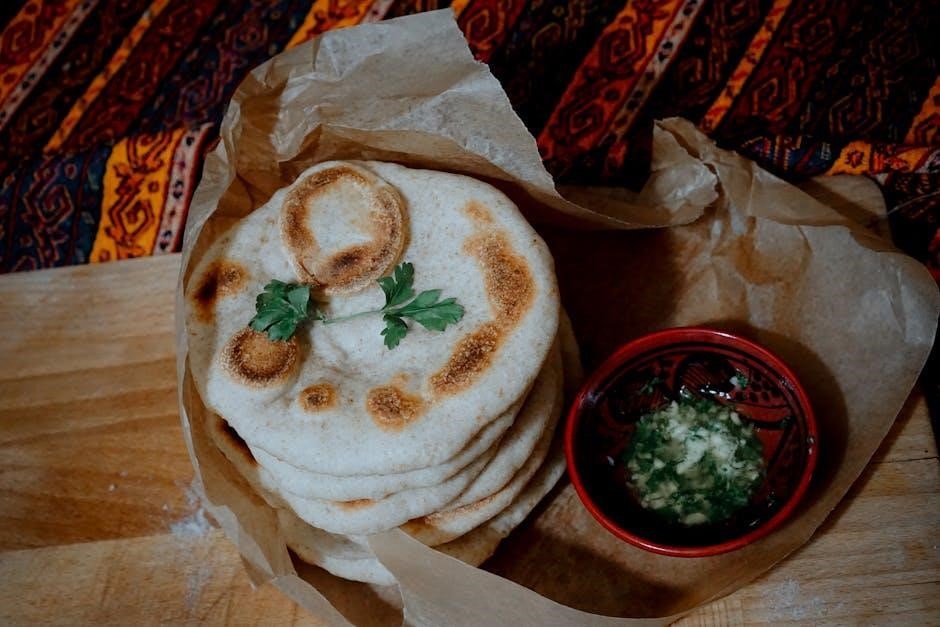
Elevate your garlic bread! Add mozzarella for a cheesy delight, red pepper flakes for a spicy kick, or experiment with herbs like rosemary and thyme.
Cheesy Garlic Bread: Mozzarella and Beyond
For an extra indulgent experience, incorporating cheese into your New York garlic bread is highly recommended. Slipping a little mozzarella into each Hasselback slit creates pockets of melted, gooey goodness with every bite.
However, don’t limit yourself to just mozzarella! Provolone offers a slightly sharper flavor, while a blend of Parmesan and Asiago adds complexity. Consider a sprinkle of fontina for a nutty undertone;
Experiment with different cheese combinations to find your perfect cheesy garlic bread. Remember to add the cheese after slathering on the garlic butter, ensuring it melts beautifully during baking.
Spicy Garlic Bread: Adding Red Pepper Flakes
Elevate your New York garlic bread with a touch of heat by incorporating red pepper flakes into the garlic butter. This simple addition transforms the classic flavor profile, offering a delightful kick that complements the richness of the butter and garlic.
Start with a ¼ teaspoon of red pepper flakes for a mild spice, and adjust to your preference. For a more pronounced heat, consider using Calabrian chili flakes or a pinch of cayenne pepper;
Mix the flakes thoroughly into the butter to ensure even distribution, guaranteeing a consistent level of spice in every bite.
Herb Variations: Rosemary, Thyme, and Parsley
Beyond the essential herbs, New York garlic bread welcomes delightful variations. Fresh rosemary lends a piney aroma, perfectly complementing the garlic, while thyme offers an earthy, slightly floral note. Finely chopped parsley adds a fresh, vibrant finish.
Experiment with combinations! A blend of rosemary and thyme creates a robust flavor, while parsley brightens the overall taste. Use about a tablespoon of chopped fresh herbs per loaf of bread.
Incorporate the herbs directly into the garlic butter, ensuring they are well distributed for a fragrant and flavorful experience.
Serving Suggestions
New York garlic bread is a versatile companion! Enjoy it alongside Italian dishes, juicy steaks, whole fish, or a refreshing Caprese salad for a complete meal.
Pairing with Italian Dishes
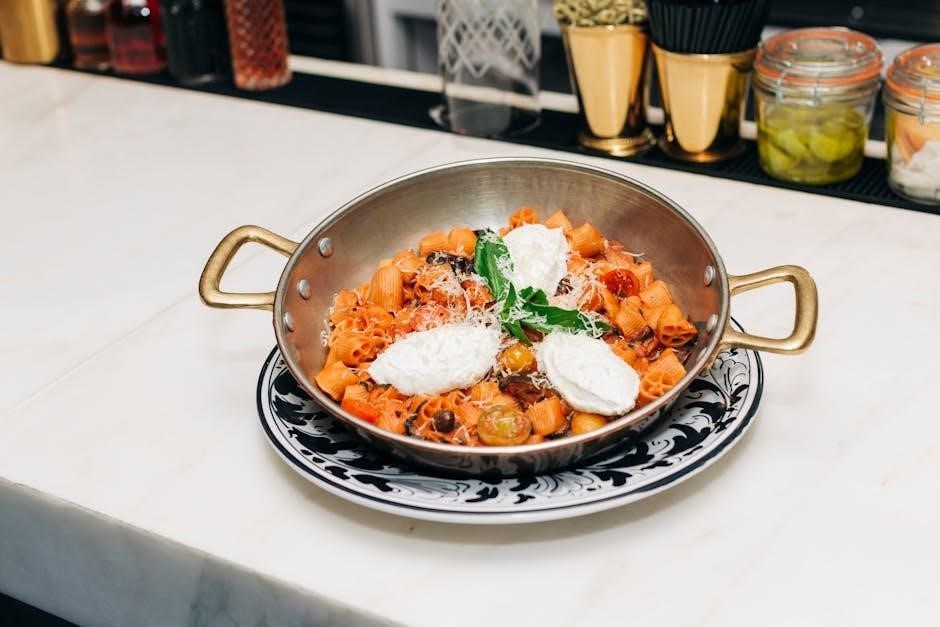
New York garlic bread is a natural partner to a wide array of Italian cuisine. Imagine dipping slices into a rich, simmering marinara sauce alongside your favorite pasta dish – a truly classic combination!
Its robust garlic flavor complements the savory notes of lasagna, chicken parmesan, or even a simple spaghetti aglio e olio. The crispy texture provides a delightful contrast to softer Italian staples.
Consider serving it with a creamy risotto or alongside a hearty Italian stew for an extra layer of flavor and satisfying crunch. It elevates the entire dining experience!
Garlic Bread as a Side for Steak and Fish
Don’t limit New York garlic bread to Italian meals! Its smoky, savory profile makes it a surprisingly excellent accompaniment to grilled or pan-seared steak. The garlic butter cuts through the richness of the meat beautifully.
Similarly, it pairs wonderfully with fish – especially whole fish or flaky white varieties. The herbaceous notes complement the delicate flavors of seafood, adding a delightful aromatic dimension.
This versatile side dish elevates both land and sea proteins, offering a satisfying textural contrast and a burst of flavor with every bite. It’s a truly unexpected delight!
Serving with Salads: Caprese and More
New York garlic bread isn’t just for heartier meals; it’s a fantastic partner for fresh, vibrant salads! A classic Caprese salad, with its creamy mozzarella, ripe tomatoes, and basil, finds a delightful counterpoint in the warm, garlic-infused bread.
The crusty texture provides a satisfying contrast to the salad’s softness, while the garlic butter adds a savory depth. Consider pairing it with other salads featuring balsamic vinaigrette or lemon-herb dressings.
It transforms a simple salad into a more complete and satisfying meal, offering a delightful combination of flavors and textures.
Troubleshooting Common Issues
Preventing dry garlic bread requires sufficient butter coverage, while avoiding burnt garlic means careful monitoring during blooming and baking—adjust heat as needed!
Preventing Dry Garlic Bread
Achieving moist garlic bread hinges on generous butter application, ensuring every crevice of the Hasselback cuts is thoroughly coated. Don’t skimp – the butter acts as a moisture barrier during baking!
Consider wrapping the bread in foil or parchment paper during the initial baking phase to trap steam and prevent excessive drying. Removing the wrap during the last few minutes allows for a beautifully golden, crisp crust.
Using a higher quality bread with a tighter crumb structure also helps retain moisture. Finally, avoid overbaking; check for doneness frequently to prevent it from becoming brittle.
Avoiding Burnt Garlic
Burnt garlic imparts a bitter taste, so careful temperature control is crucial. Lowering the oven temperature slightly and monitoring closely can prevent scorching.
The Hasselback technique inherently protects the garlic, as it isn’t directly exposed to the highest heat. Blooming the garlic – gently sizzling it in butter without browning – before incorporating it into the butter base, tames its intensity.
If using garlic skins, they act as a natural barrier, further reducing the risk of burning. Regularly check the bread during baking, and cover loosely with foil if needed.
Dealing with Greasy Bread
Excessive greasiness in garlic bread often stems from using too much butter or a bread that doesn’t adequately absorb it. Opt for a slightly denser loaf, like a rustic sourdough, to combat this.
Ensure even distribution of the garlic butter; avoid pooling in the Hasselback cuts. After baking, briefly blot the bread with paper towels to absorb any surface oil.
Using unsalted butter allows for better control over the overall salt and fat content. A moderate oven temperature prevents the butter from completely melting and saturating the bread.
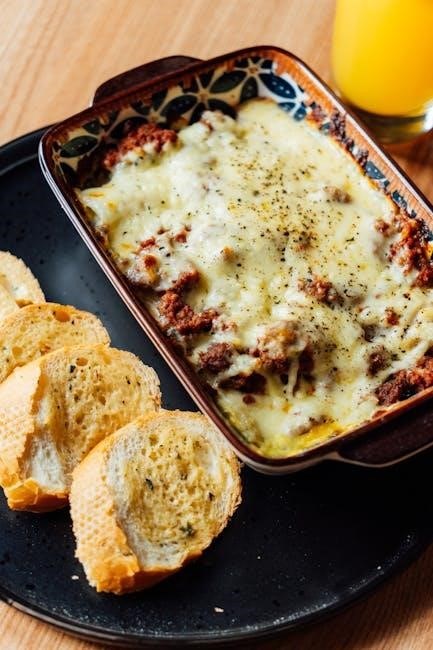
Tips for the Perfect New York Garlic Bread
Whole grain bread offers a heartier texture, while leaving garlic skins on during toasting allows for easy removal and maximum flavor infusion.
Proper storage in an airtight container keeps leftover garlic bread delightfully crisp for several days!
Using Whole Grain Bread for a Heartier Texture
Whole grain bread presents a fantastic alternative to traditional white loaves when crafting New York-style garlic bread. Its robust structure stands up remarkably well to the generous application of garlic butter, preventing it from becoming overly saturated or falling apart during baking.
The slightly nutty flavor profile of whole grain complements the savory garlic and herbs beautifully, adding another layer of complexity to the overall taste experience. It provides a satisfying chewiness that white bread often lacks, making each bite more substantial and enjoyable.
Consider a hearty whole wheat or multigrain loaf for a truly rustic and flavorful garlic bread that’s both delicious and satisfying.
The Benefit of Using Garlic Cloves with Skins On
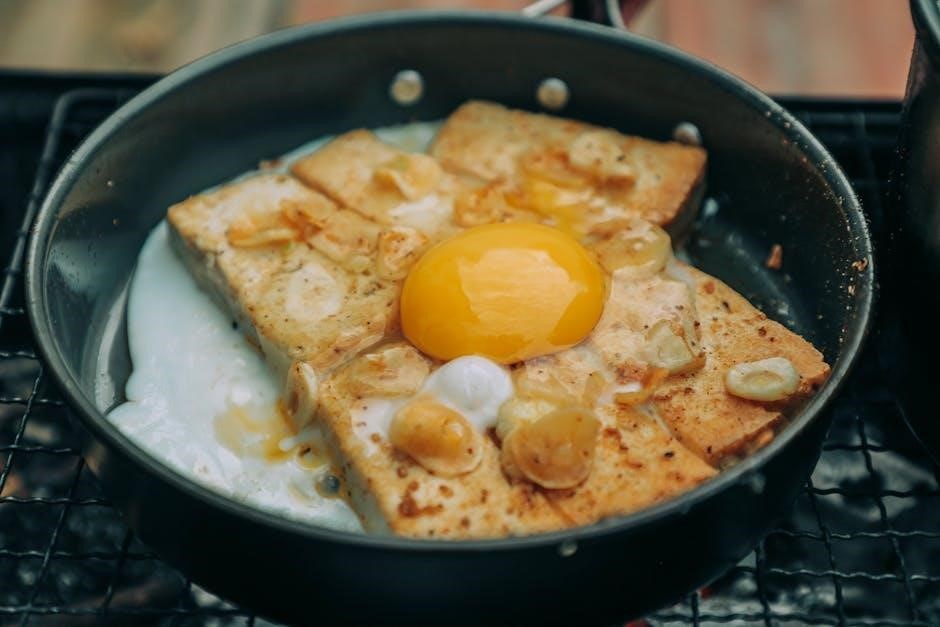
Don’t discard the papery skins when preparing your garlic for New York garlic bread! While seemingly counterintuitive, roasting garlic cloves with their skins on offers a unique advantage. The skins act as a natural barrier, preventing the garlic from burning and becoming bitter during the infusion process.
Furthermore, the skins impart a subtle, earthy flavor that enhances the overall complexity of the garlic butter. The toasted bread’s rough surface effortlessly rubs the skins off post-baking, leaving behind perfectly roasted, flavorful garlic.
It’s a simple trick for superior taste!
Storing Leftover Garlic Bread
While freshly baked New York garlic bread is best enjoyed immediately, leftovers can be stored for up to two days. Allow the bread to cool completely before wrapping it tightly in aluminum foil or plastic wrap. This prevents it from drying out and retains its delightful aroma.
For longer storage, consider freezing individual slices. Reheat in a preheated oven at 350°F (175°C) for approximately 5-10 minutes, or until warmed through and crispy.
Be aware that reheating may slightly alter the texture, but the flavor will remain delicious!