BMW E38 Buyer’s Guide: An Overview
The BMW E38 7 Series, produced from 1994 to 2001, represents a pinnacle of engineering and luxury. With seventeen engine options—three diesel and fourteen petrol—it underwent two facelifts in 1998 and 2000.
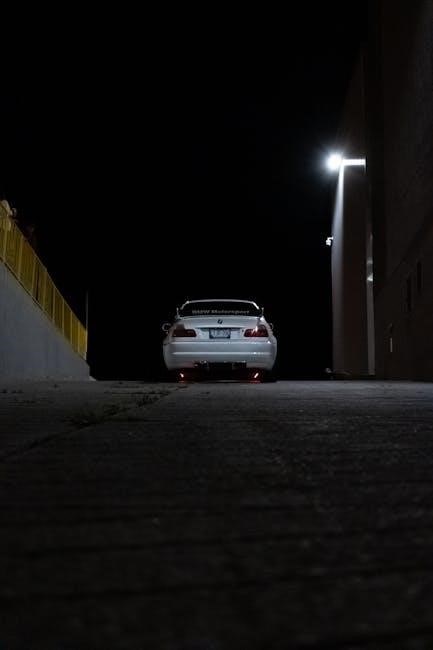
The BMW E38 7 Series, launched in 1994, marked a significant leap forward for the German automaker, succeeding the E32 generation. This flagship sedan wasn’t merely an evolution; it was a comprehensive redesign embodying BMW’s commitment to luxury, innovation, and driving dynamics. Produced until 2001, the E38 quickly gained recognition for its robust build quality and sophisticated engineering – often described as “over-engineered” by enthusiasts.
BMW offered a diverse range of engines throughout the E38’s production run, totaling seventeen options. These included three diesel variants and fourteen petrol engines, some available for limited periods. Early models retained engines from the preceding E32, while later iterations benefited from updated powerplants. The E38 received two notable facelifts, one in 1998 and another in 2000, each introducing refinements to styling, technology, and features.
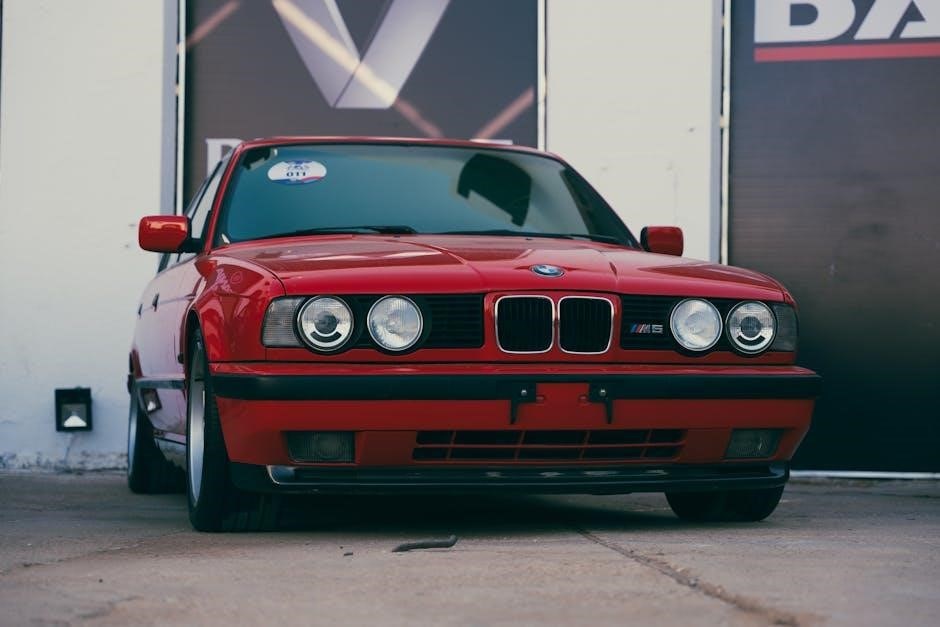
Today, the E38 holds a special place in the hearts of BMW aficionados, celebrated for its timeless design and enduring quality. It represents a sweet spot in BMW history, offering a blend of classic aesthetics and modern functionality.
Why Choose an E38?
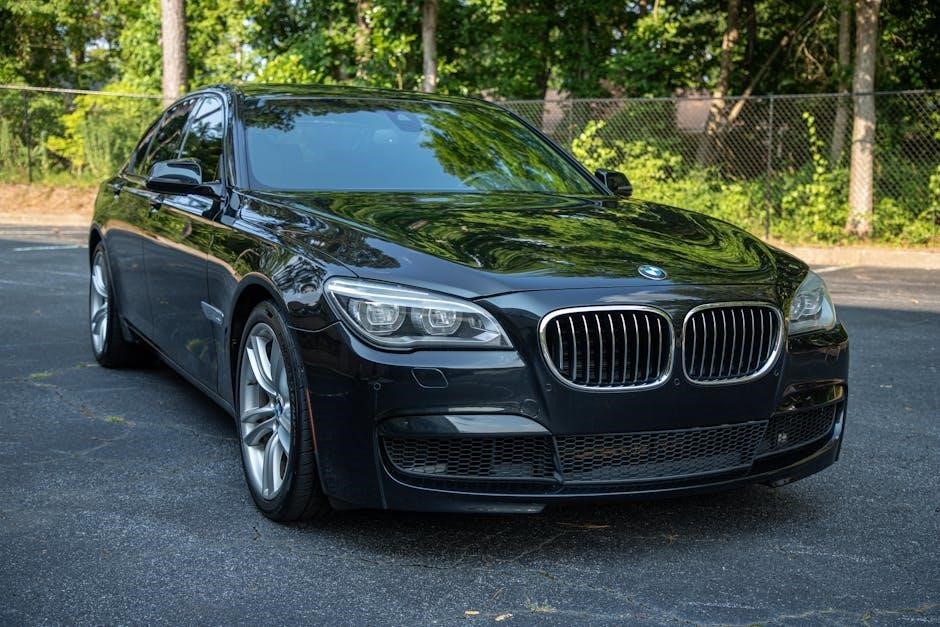
For the discerning BMW enthusiast, the E38 7 Series presents a compelling proposition. It stands out as a uniquely robust and well-built vehicle, often lauded for its exceptional build quality – a characteristic increasingly rare in modern automobiles. The E38 isn’t just a comfortable cruiser; it delivers a genuinely engaging driving experience, blending luxury with BMW’s renowned handling prowess.
Unlike many contemporary luxury cars, the E38 prioritizes mechanical integrity and driver involvement. Its over-engineered nature translates to impressive reliability, provided proper maintenance is observed. The availability of diverse engine options allows buyers to tailor their E38 to their specific needs and preferences, from economical diesels to powerful V12s.
Furthermore, the E38’s classic design has aged gracefully, ensuring it remains a stylish and sophisticated vehicle. Owning an E38 is an experience – a connection to a bygone era of automotive engineering where quality and durability were paramount. It’s a statement of appreciation for a truly exceptional machine.
Pre-Purchase Inspection: Key Areas
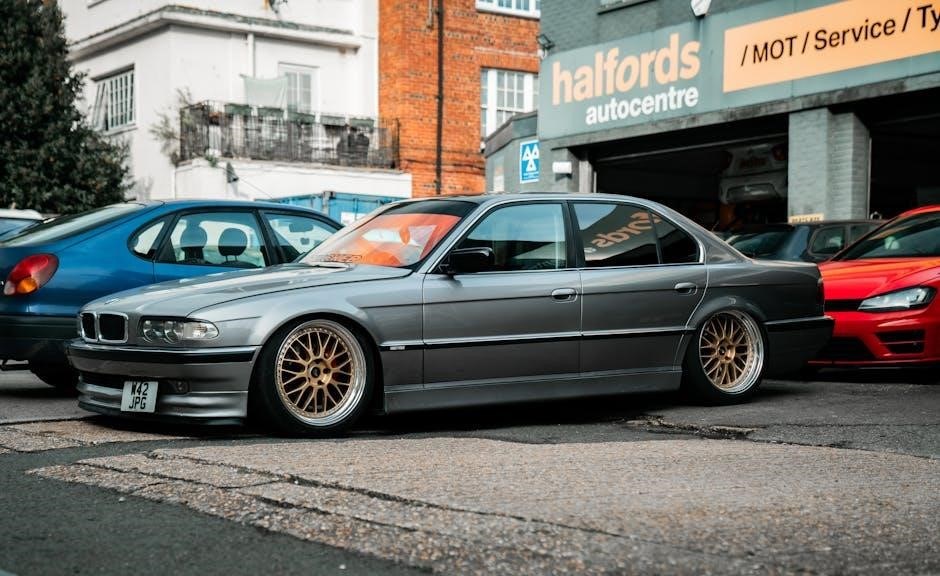
A thorough inspection is crucial before buying an E38. Focus on the engine, transmission, suspension, steering, cooling, and electrical systems to identify potential issues and costs.
Engine Options and Considerations
The E38 offered a diverse range of engines, totaling seventeen options throughout its production run. Prospective buyers had a choice between three diesel engines and fourteen petrol engines, with some available for limited periods between 1994 and 1996. Early E38 models often featured engines carried over from the preceding generation, representing a transitional phase in BMW’s engine technology.
Petrol options ranged from the inline-six 2.8-liter to the flagship 5.4-liter V12. The 4.0 and 4.4-liter V8s are particularly popular choices, offering a good balance of performance and reliability. Diesel engines, while less common, provide excellent fuel economy for long-distance driving. When evaluating an E38, carefully consider the engine’s service history. Look for evidence of regular oil changes and maintenance. Inspect for any signs of leaks, unusual noises, or excessive smoke, which could indicate underlying problems. The V12, while prestigious, can be more expensive to maintain due to its complexity.
Pay attention to the engine’s overall condition and ensure it starts easily and runs smoothly. A pre-purchase compression test is highly recommended to assess the health of the cylinders.
Transmission Issues to Watch For

The BMW E38 typically came equipped with a 5-speed or 6-speed automatic transmission, renowned for its smoothness but susceptible to certain issues with age. A common concern is delayed engagement, particularly when shifting from Park to Drive or Reverse. This can often be addressed with a transmission fluid flush and filter change, but may indicate a more serious internal problem.
Inspect for any slipping during acceleration or harsh shifting between gears. Unusual noises, such as whining or clunking, should also raise a red flag. Pay close attention to the transmission’s responsiveness; it should shift smoothly and predictably. Check the transmission fluid level and condition – it should be bright red and free of debris. Dark or burnt-smelling fluid suggests overheating or internal wear.
The E38’s transmission is a complex unit, and repairs can be costly. A thorough inspection by a qualified BMW technician is crucial before purchase. Consider the vehicle’s mileage and driving history when assessing the transmission’s condition, as higher mileage examples are more likely to exhibit wear and tear.
Suspension and Steering System Checks
The E38’s suspension is a complex system designed for a comfortable yet controlled ride, but it requires careful inspection. Key areas to examine include the self-leveling suspension components, which are prone to leaks and failure over time. Look for signs of air strut deterioration, such as visible cracks or sagging. Listen for the air compressor running excessively, indicating a potential leak in the system.
Check the condition of the shock absorbers and bushings; worn components contribute to poor handling and increased noise. Inspect the steering rack for leaks and play, as repairs can be expensive. Pay attention to any unusual noises while turning the steering wheel, such as groaning or clicking. The E38 is known for shimmies and vibrations between 50-60 mph, often stemming from worn suspension or steering parts.
A road test is essential to assess the suspension’s performance and identify any issues. Ensure the car tracks straight and doesn’t exhibit excessive body roll. A pre-purchase inspection by a BMW specialist is highly recommended to diagnose potential problems.
Cooling System: Common Problems
The BMW E38’s cooling system is a frequent source of issues, demanding thorough inspection during a pre-purchase check. Coolant leaks are particularly common, often originating from the radiator, water pump, or expansion tank. Carefully examine these components for any signs of corrosion or wetness. A failing water pump can lead to overheating and engine damage, so listen for unusual noises during operation.
Thermostat failures are also prevalent, causing erratic temperature readings and potentially leading to overheating. Inspect the radiator hoses for cracks or swelling, and check the condition of the cooling fan clutch. Ensure the fan operates correctly and engages when needed. Overheating can cause significant engine damage, so addressing cooling system issues promptly is crucial.
Look for evidence of previous repairs, which may indicate recurring problems. A pressure test of the cooling system can reveal hidden leaks. Don’t overlook the importance of using the correct BMW coolant to prevent corrosion and maintain optimal performance.
Electrical System: Potential Faults
The BMW E38, laden with advanced technology for its time, is prone to electrical gremlins as it ages. A comprehensive scan for Diagnostic Trouble Codes (DTCs) is essential, revealing hidden faults within the various control modules. Common issues include failures of the Digital Motor Electronics (DME), the car’s engine control unit, and the Integrated Electronic Module (IEM), responsible for many comfort functions.
Window regulators and door lock mechanisms frequently malfunction due to wear and tear or corrosion. Check the operation of all power windows and central locking functions. The self-leveling suspension system relies heavily on electrical components, and faults in sensors or the control module can cause issues. Inspect wiring harnesses for damage, particularly in areas prone to flexing or moisture exposure.
Ensure all lights, indicators, and the onboard computer system function correctly. A failing battery or alternator can exacerbate electrical problems, so verify their condition. Addressing electrical faults promptly prevents further damage and ensures the car’s complex systems operate reliably.
Common E38 Problems & Solutions
E38s often exhibit shimmies at 50-60 MPH due to suspension and steering wear. Coolant leaks, thermostat failures, and issues with door locks/window regulators are frequent.
Shimmies and Vibrations (50-60 MPH)
A common complaint among E38 owners is the presence of shimmies or vibrations felt between 50 and 60 miles per hour. This isn’t necessarily indicative of a catastrophic failure, but rather a symptom of accumulated wear within the steering and suspension components. The E38’s substantial weight, particularly over the front wheels, exacerbates this issue, especially during braking when the front end experiences increased load.
The car appears to have a resonant frequency that falls within this speed range. Any existing weakness or play in the system – worn ball joints, tie rod ends, control arm bushings, or even tire imbalances – will be amplified at this speed. It’s crucial to thoroughly inspect these components during a pre-purchase inspection. Addressing these issues often involves replacing worn parts, performing a wheel balance, and ensuring proper alignment. Ignoring these vibrations can lead to further damage and compromise driving safety, so prompt attention is advised for a smooth and comfortable ride.
Coolant Leaks and Thermostat Failures
The BMW E38’s cooling system is a known area for potential issues, with coolant leaks and thermostat failures being relatively common occurrences as the vehicle ages. These problems can lead to overheating, which, if left unaddressed, can cause significant engine damage. Inspecting the cooling system is a critical part of any pre-purchase inspection.
Common leak points include the radiator, water pump, expansion tank, and various hoses. Look for signs of coolant residue – a greenish or orange discoloration – around these components. Thermostat failures can manifest as erratic temperature readings or the engine running consistently too hot or too cold. Replacing the thermostat is a relatively inexpensive repair, but neglecting it can lead to more serious problems. A pressure test of the cooling system can help identify hidden leaks. Addressing these cooling system issues proactively will help ensure the longevity and reliability of the E38’s engine, preventing costly repairs down the line.
Door Lock and Window Regulator Issues
Like many vehicles of its age, the BMW E38 7 Series can experience problems with its door locks and window regulators. These issues, while not typically catastrophic, can become frustrating and detract from the overall ownership experience. Thoroughly testing all door locks and windows during a pre-purchase inspection is essential.
Door lock failures often stem from worn-out actuators or issues with the central locking system. Check that each door locks and unlocks smoothly with both the key and the interior switch. Window regulator problems usually present as slow operation, grinding noises, or windows that simply refuse to move. Replacement of window regulators can be a moderately involved repair. Inspect the window tracks for debris or damage. Addressing these issues promptly prevents further complications and maintains the car’s comfort and convenience features. Don’t overlook these seemingly minor details, as they can indicate a broader pattern of neglected maintenance.
Self-Leveling Suspension Problems
The BMW E38 7 Series frequently featured a self-leveling suspension system, designed to provide a consistently comfortable ride. However, this system is prone to issues as the car ages, becoming a common source of expense for owners. A thorough inspection of the suspension is crucial during a pre-purchase evaluation.
Problems typically manifest as a noticeable lean to one side, an uneven ride height, or a generally uncomfortable driving experience. Common culprits include failing rear shocks with integrated leveling components, leaks in the hydraulic lines, or a malfunctioning control module; Repairing the self-leveling suspension can be costly, often requiring replacement of multiple components. Look for signs of fluid leakage around the shocks and compressor. Consider the potential repair bills when evaluating the vehicle. Converting to a conventional suspension setup is an option, but it alters the car’s original ride characteristics and may impact resale value.

Model Year Variations & Facelifts
The E38 experienced two significant updates during its production run. The first facelift arrived in 1998, followed by a second in 2000, just before production ceased after seven model years.
Pre-1998 Models: Early Production Characteristics
Early E38 7 Series models, those produced before the 1998 facelift, often retain engines carried over from the preceding E32 generation. This means potential buyers might encounter older technology alongside the innovative features introduced with the E38’s initial launch. These earlier cars, while still offering a luxurious experience, may exhibit characteristics reflective of their transitional nature.
Specifically, engine options in these years included variants that weren’t as refined or powerful as those found in later models. Prospective owners should be aware of this when evaluating performance expectations. Build quality, while generally high, underwent improvements with subsequent production runs, meaning early cars might present more opportunities for age-related wear and tear.
Furthermore, the initial infotainment and electronic systems were less advanced than the iterations introduced post-1998. While still functional, these systems may lack the features and reliability of later versions. Thorough inspection of these early models is crucial, focusing on potential issues stemming from their age and the carryover components. Considering these factors will help buyers make an informed decision when assessing a pre-1998 E38.
1998 Facelift: Key Changes
The 1998 facelift marked a significant evolution for the BMW E38 7 Series, addressing some initial criticisms and enhancing both aesthetics and functionality. This mid-cycle refresh brought notable changes to the exterior styling, most prominently with revised headlights and taillights, giving the car a more modern and refined appearance. Interior updates included improved trim materials and minor ergonomic adjustments, elevating the overall cabin experience.
More importantly, the 1998 facelift introduced updated engine options, including more powerful and efficient variants. These engines benefited from advancements in technology, offering improved performance and reliability compared to their predecessors. The electronic systems also received upgrades, enhancing functionality and addressing some early software glitches.
These changes collectively improved the E38’s overall driving experience and solidified its position as a luxury flagship. Prospective buyers often favor the post-1998 models due to these enhancements. When evaluating an E38, understanding the differences introduced with this facelift is crucial for assessing its value and potential long-term ownership costs. It represents a sweet spot in the E38’s production run.
2000 Facelift: Final Updates
The 2000 facelift represented the final refinements for the BMW E38 7 Series before its discontinuation in 2001, building upon the improvements introduced in 1998. While less dramatic than the initial refresh, these updates focused on enhancing existing features and addressing remaining minor issues. Subtle exterior tweaks included revised mirror designs and updated wheel options, contributing to a more contemporary look.
Inside, the 2000 facelift saw further improvements to the infotainment system and the introduction of new comfort features. These enhancements aimed to provide a more luxurious and technologically advanced experience for both the driver and passengers. Engine refinements continued, focusing on optimizing performance and fuel efficiency.
Crucially, the 2000 models often benefit from the accumulated knowledge and improvements made throughout the E38’s production run, potentially resulting in greater reliability. When searching for an E38, these later models are often considered highly desirable. Understanding these final updates is vital for making an informed purchase decision and appreciating the E38’s evolution.
Finding and Evaluating an E38
Locating an E38 requires diligent searching on forums like Bimmerforums and online marketplaces. Thoroughly assess vehicle history and maintenance records to uncover potential issues and ensure a sound investment.
Resources for Finding E38s (Forums, Online Marketplaces)
Embarking on the search for a BMW E38 requires utilizing a variety of online resources. Bimmerforums stands out as a premier online BMW community, offering a wealth of technical information, maintenance specifics, and advice from experienced owners. This forum is invaluable for gauging common issues and connecting with individuals who possess extensive E38 knowledge.
Beyond dedicated forums, several online marketplaces serve as excellent platforms for locating potential E38 purchases. Websites specializing in classic or luxury vehicles often feature E38 listings. General online marketplaces can also yield results, but require more diligent filtering and scrutiny. When browsing these platforms, be prepared to expand your search radius, as E38s are becoming increasingly rare.
Furthermore, consider joining BMW-specific Facebook groups and online classifieds. These avenues can sometimes uncover hidden gems or private sales not advertised elsewhere. Remember to exercise caution and thoroughly vet any potential seller before proceeding with a purchase. Patience and persistence are key to finding the right E38 for your needs and budget.
Assessing Vehicle History and Maintenance Records
A comprehensive assessment of a prospective E38’s history and maintenance records is paramount. Prior to any financial commitment, obtain a vehicle history report from a reputable provider. This report can reveal potential issues such as prior accidents, title discrepancies, or odometer fraud. Scrutinize the report carefully for any red flags that warrant further investigation.
Equally crucial is a review of the vehicle’s maintenance records. Look for evidence of regular servicing, including oil changes, fluid flushes, and replacement of wear items. A well-maintained E38 is far more likely to be reliable and require less immediate attention. Pay particular attention to records pertaining to the cooling system, as these cars are prone to coolant leaks and thermostat failures.
If complete records are unavailable, inquire about the previous owner’s maintenance practices. A verbal account can provide valuable insights, but should be corroborated whenever possible. Don’t hesitate to ask for receipts or documentation supporting any claims made by the seller. Thorough due diligence in this area can save you significant expense and heartache down the road.
Negotiating the Purchase Price
Establishing a fair purchase price for an E38 requires careful consideration of several factors. Begin by researching comparable vehicles currently for sale, noting their condition, mileage, and options. Utilize online marketplaces and BMW enthusiast forums like Bimmerforums to gauge prevailing market values.
Armed with this data, assess the specific E38 you’re considering. Any identified issues during the pre-purchase inspection – such as cooling system problems, electrical faults, or suspension wear – should be factored into your offer. Be prepared to justify your proposed price based on the cost of necessary repairs.
Don’t be afraid to negotiate assertively, but remain respectful throughout the process. Highlight the vehicle’s strengths while tactfully addressing its weaknesses. Consider offering a slightly lower price initially, leaving room for compromise. Remember that patience and a willingness to walk away can often yield a more favorable outcome. A well-researched and reasoned negotiation will ensure you secure a fair deal on your E38.